TADA USA Guide
JFK to a Long Island Home: What to Confirm Before Landing
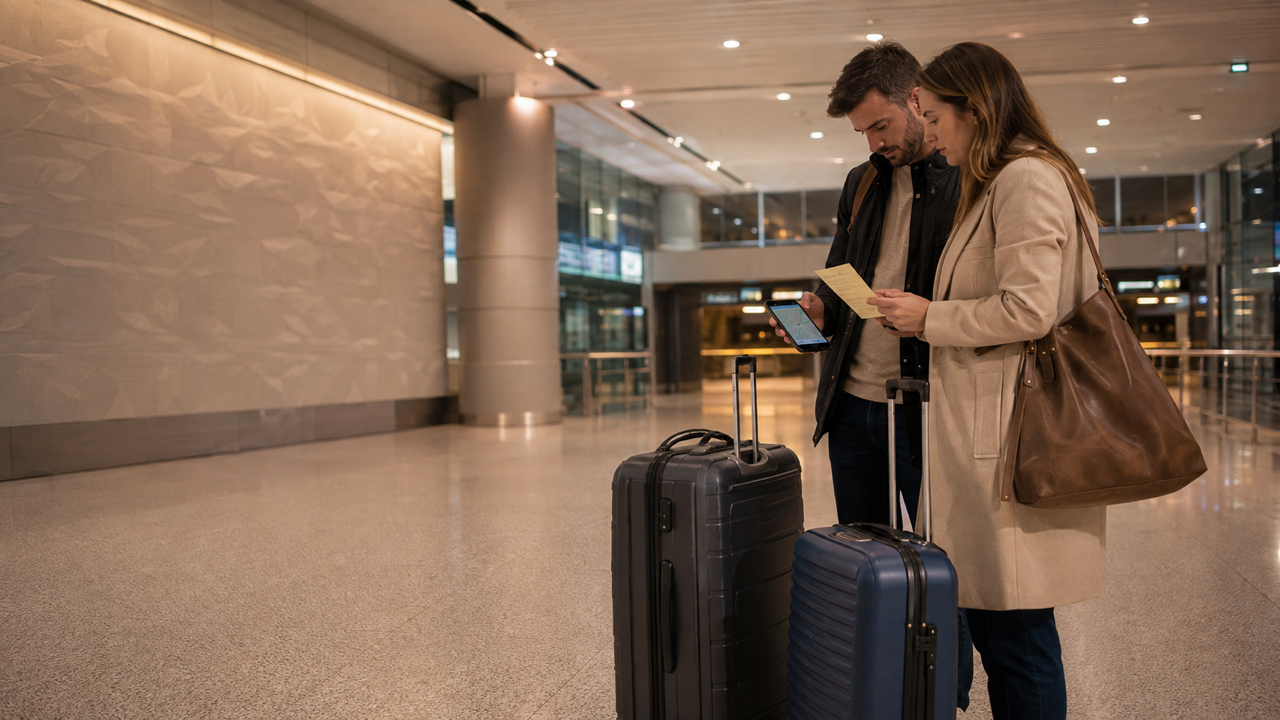
A trip from JFK to a home on Long Island is easier to coordinate when the destination is more precise than a town name. Long Island stretches far east of the airport, and two addresses in the same community may have different entrances, parking rules, or after-hours access. Before the flight, confirm the details that matter at both ends of the ride.
Send the full address, including the ZIP code
Provide the street number, street name, town, state, and ZIP code exactly as the resident or host gives them. Some street names repeat across Nassau and Suffolk counties, and a map search can select the wrong municipality if part of the address is missing.
Open the address in a map before travel day and compare the result with the host’s description. If the pin appears behind the property, on a service road, or at a community entrance, ask which point a vehicle should approach.
Confirm the actual passenger entrance
A private home may have a driveway on a side street, a house number that is hard to see after dark, or a gate that requires a call. An apartment complex or senior community may use one main entrance even when the building has a separate postal address.
Ask for a stable landmark such as a cross street, gatehouse, building number, or driveway description. Avoid depending on temporary decorations, parked vehicles, or a map pin alone.
Plan for an evening arrival
A scheduled landing time is not the time you will leave JFK. Taxiing, immigration when required, baggage claim, and the walk to the assigned pickup area can all extend the airport process. Share the correct airline and flight number, then keep the destination contact informed if the arrival changes.
If the home has a gate code, doorman, host check-in window, or quiet-hours rule, confirm how late access works. Save the instructions offline and keep the contact number available with the United States country code when needed.
Use the town, not “Long Island,” for planning
Driving time from JFK varies greatly by destination and current road conditions. A home in western Nassau County is a different trip from one farther east in Suffolk County. Use the exact town and address when discussing timing, and avoid promising a host an arrival time based only on the flight schedule.
For a dinner, family gathering, or property check-in on the same evening, leave room for the full airport process, the drive, unloading, and any gate or building entry steps.
Count every bag before choosing the vehicle
List adults, children, checked suitcases, carry-ons, strollers, mobility devices, golf bags, and other rigid items. Passenger capacity and usable cargo space are not the same. A complete count lets the vehicle requirement be reviewed before arrival.
Keep medication, travel documents, chargers, keys, and access instructions in a small bag that stays with you. Do not pack a house key or gate remote inside luggage that may be difficult to reach after loading.
Choose one reachable arrival contact
One traveler should receive the pickup instructions and communicate for the group. Charge that phone, enable service after landing, and connect to airport Wi-Fi if cellular coverage is slow. If the group separates at baggage claim, reunite before moving toward the meeting point.
Separately, tell the resident or host which traveler will call at the destination. Keeping one contact for the airport step and one clear handoff plan for the home reduces crossed messages.
JFK-to-Long-Island home checklist
- Correct airline, flight number, and arrival date
- Full Long Island address with town and ZIP code
- Driveway, gatehouse, building, or passenger-entrance detail
- After-hours access instructions and a destination contact
- Accurate passenger and luggage counts
- A reachable mobile number for airport updates
Once those details are ready, you can review TADA’s JFK arrival information and submit the actual Long Island destination with the trip request.
The useful distinction is simple: “Long Island” describes a large region, while the full address, entrance, and access plan describe the trip. Confirming those details before landing makes the handoff from the terminal to the front door much easier to follow.